Sourcing wholesale custom football uniforms through trading companies and layered agents quietly consumes 20% to 35% of your sell-through margin before a single stitch is sewn. If you buy for a league, a reseller network, or a team apparel program, that lost margin is the difference between a healthy reorder cycle and a dead SKU. Working direct with the manufacturing floor removes those layers entirely and puts spec control back in your hands.
Most buyers who reach this stage have already been burned somewhere. A sample arrives looking sharp, then the bulk order shows up with crooked number placement, glue-backed twill peeling at the corners, or collar bands that stretch out after two games. That is what happens when the order passes through three hands and the last one is incentivized to shave cost, not protect your brand.
Direct factory supply changes the economics and the accountability. You deal with the people running the cutting table, the embroidery heads, and the final inspection line. When something is off spec, there is one phone call instead of a chain of emails bouncing between a trading office and an unnamed subcontractor.
Start with the fabric, because everything else follows from it. A real game-weight football jersey uses 100% breathable polyester mesh in the 280–320 GSM range. Lightweight 150–180 GSM mesh feels fine on a hanger and turns transparent under stadium lighting, which is why it belongs on fan-only goods, not on uniforms your teams wear on Friday nights.
Heavier mesh also holds shape through repeated wash cycles. It resists the shoulder stretch that makes a jersey look worn out after half a season, and it gives the embroidery a stable foundation so numbers do not pucker.
Number and letter construction is where cheap programs cut first. Proper double-stitched Tackle Twill numbers are cut as separate layers, heat-set, then sewn down with a tight zigzag perimeter. Single-stitch or glued-and-pressed numbers look acceptable in a product photo and fail within weeks.
Pay attention to the underlay too. A well-built jersey has a soft interior backing behind the embroidery so the thread does not scratch skin, and so the stitching does not abrade the fabric from the inside out. This is a small detail that drives returns and complaints when it is missing.
Collar construction separates durable jerseys from disposable ones. Look for reinforced collar bands with a rib-knit structure that recovers after stretching, plus taped neck seams that stop the shoulder area from distorting. V-necks should be bound, not just folded over and stitched once.
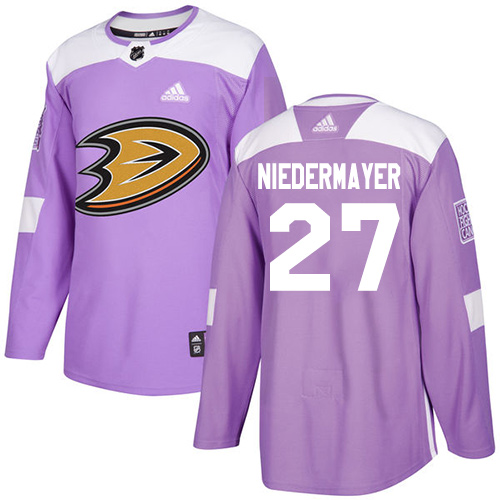
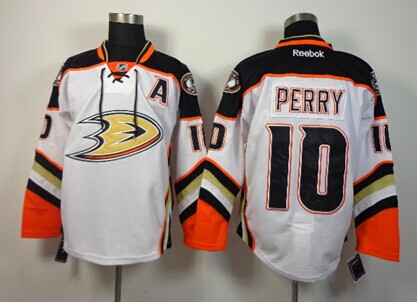
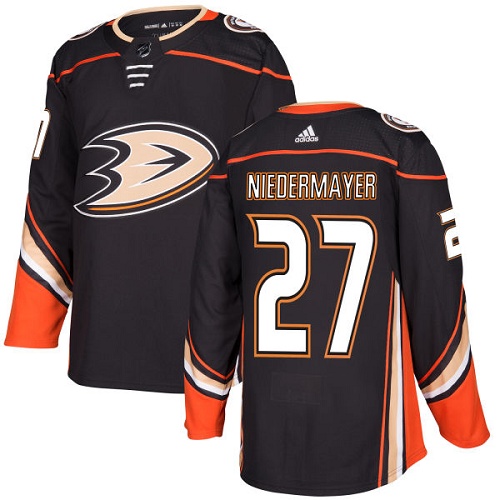
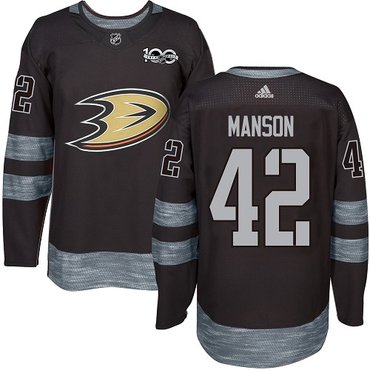
If you want to see how these specs translate across a full production catalog, the fastest path is to review heavyweight stitched NFL jerseys side by side with samples from your current vendor. Put them through a wash cycle, then compare collar recovery, number edges, and interior finish.
Customization scope matters just as much as base construction. A direct supplier should handle names, numbers, chest and sleeve patches, conference marks, memorial bands, and sponsor logos without farming the work out. Ask specifically whether tackle twill, sublimation, and screen print are all done in-house.
- Tackle Twill: Best durability and a traditional look; ideal for numbers, letters, and large chest marks.
- Sublimation: Best for full-color graphics, gradient patterns, and lightweight practice sets.
- Screen Print: Best budget option for high-volume fan merchandise with simple one or two-color art.
- Embroidered patches: Best for premium trim, anniversary marks, and league branding.
Sizing is another place where bulk orders go sideways. Always request the factory's actual measurement chart, not a generic size label. Chest, body length, and sleeve opening vary between producers by an inch or more, and that gap shows up as a bad fit across an entire roster.
For team programs, order true-to-size with a graded curve that includes youth sizes down to XS and adult sizes up to 4XL or 5XL. Ask about custom body lengths for taller players. A supplier that cannot do a tall cut is a supplier that will send your biggest lineman a crop top.
Color accuracy deserves a written standard. Send Pantone references for every color in the design and require lab dip approval before bulk cutting. Verbal color names like "midnight navy" mean nothing across a production floor, and a half-shade difference is very visible when a team lines up together.
Pricing works on tiered volume, and the tiers should be transparent. Direct factory quotes typically move in steps at MOQ, 100 units, 300 units, and 500-plus units per style. Ask for the full ladder up front so you can plan reorders instead of renegotiating every season.
Lead time is the other half of the equation. Standard production for custom stitched football uniforms runs about 15 to 25 working days after artwork and deposit approval, plus transit. Rush programs exist, but they should be quoted honestly rather than promised and missed.
Build your own inspection standard before the first bulk shipment. A practical AQL-style checklist you can send to the factory looks like this:
- Number and letter placement verified against the approved art file with a measured tolerance.
- Stitch density checked at the perimeter of every twill layer, with no loose thread tails.
- Collar band recovery tested by stretching and releasing three times.
- Side seams, shoulder seams, and armhole joins pulled to confirm reinforcement.
- Color match confirmed under daylight against the approved lab dip.
- Size labels and hangtags verified against the packing list, style by style.
Ask for photos of the inspection, not just a pass/fail email. A supplier confident in the output will document it without hesitation. If photos are a struggle to obtain, that tells you something about the line.
Care instructions are worth including on your own hangtags because they protect the sale. Tell buyers to wash inside out in cold water, skip fabric softener, avoid bleach, and tumble dry low or hang dry. Heat is what kills twill adhesive layers and fades sublimated graphics.
- Wash: Cold, gentle cycle, inside out, with like colors.
- Detergent: Mild liquid only; no bleach, no fabric softener.
- Dry: Low heat or air dry flat; never high heat.
- Iron: Never directly on twill or printed graphics; use a pressing cloth on low.
Packaging and private labeling are easy wins for resellers. Poly bag each jersey, add your own size sticker and hangtag, and request master carton labeling that matches your warehouse system. It costs very little at the factory level and saves hours of inbound processing.
Freight decisions should be made early. Air express for samples and small rush orders, sea or rail for full container programs. If you are shipping to multiple destinations, ask whether the factory supports split carton marking so your 3PL can receive without rework.
Finally, treat your first order as a test of the relationship, not just the product. Order one style in a mid-tier quantity, audit it hard, then scale the winner. A supplier that survives a tough first inspection is a supplier worth locking into an annual pricing agreement.
What is the minimum order for custom football uniforms? Most direct factories start around 10 to 20 units per design for stocked blanks with decoration, and lower per-unit pricing kicks in at 100 units and above. Mixed sizing within one design usually counts as a single order.
Are the numbers stitched or printed? Ask explicitly. Stitched tackle twill is the durable standard for game uniforms. Printed numbers are cheaper and fine for practice or fan product, but they will not survive the same wear cycle.
How long does a bulk order take? Plan on roughly 15 to 25 working days in production after art approval and deposit, plus shipping time. Add a buffer for peak season, especially late summer when football programs are all ordering at once.
Can you match our exact team colors? Yes, with Pantone references and approved lab dips before bulk cutting. Never approve production based on a screen or a phone photo, since both distort color.
If you are ready to cut the middleman out of your next purchase order, pull the current pricing sheet and stock availability from the direct factory floor. Jerseys Wholesale Direct runs first-hand factory pricing, low MOQ entry points, and fast bulk dispatch, so you can lock in margin before your competitors finish their quote request. Browse the full catalog at www.jerseyswholesaledirect.com and request a tiered quote for your program today.