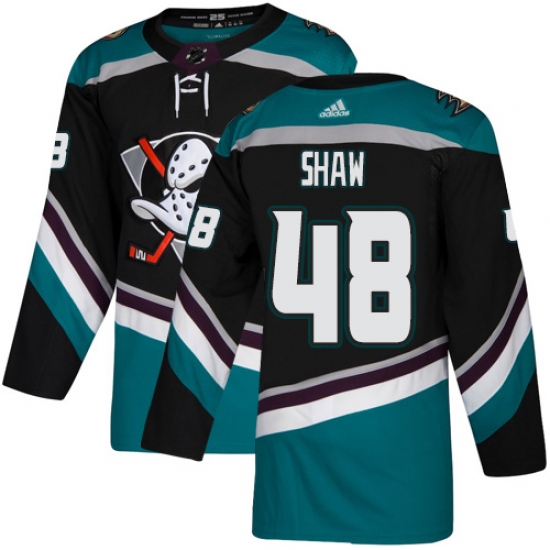
Sourcing wholesale custom basketball uniforms through traditional importers adds 18% to 35% in markup before the product ever reaches your warehouse. If you buy wholesale custom basketball uniforms direct from the factory floor, those layers disappear. You get the same mesh, the same stitched numbers, and the same reinforced collars at a landed cost that leaves real room for resale profit. The problem is most buyers never see the actual production line. They see a catalog photo, pay a deposit, and hope the embroidery holds up after the first wash.
That gap between photo and delivered goods is where margins die. Weak thread breaks, crooked tackle twill, collars that ripple after two games, and a supplier who disappears when you need a reorder. A direct factory relationship fixes those issues before they start, but only if you know what to inspect and what to demand in writing.
Start with the fabric. A pro-style basketball jersey should use 100% breathable polyester mesh in the 180–220 GSM range. Anything below 160 GSM feels flimsy and shows every pull. Anything above 240 GSM traps heat on the court and slows drying time. The mesh holes need to be uniform, not stretched or blocked by loose weave. Hold a sample against a light source. If you see thick spots or thin patches, the mill is running inconsistent yarn tension.
Stitching is the next checkpoint. Cheap jerseys use single-needle embroidery that frays after a few wash cycles. Factory-direct quality means double-stitched Tackle Twill numbers with a tight zigzag lock around every edge. Run your thumb across the number. It should sit flat with no lifted corners. Then check the interior. A proper jersey has a soft interior backing behind the embroidery so the threads do not scratch the player’s skin. That backing also stops the stitching from pulling through the mesh during aggressive play.
Collars and armholes take the most abuse. Look for reinforced collar bands with double-row stitching and a slight stretch recovery. A collar that stays flat after 20 washes is a sign of good ribbing and correct heat-setting. If the collar waves or curls, the factory skipped a finishing step. That single defect drives returns and kills repeat business with league managers.
When you evaluate a direct supplier, ask for the actual production spec sheet, not a marketing PDF. You want yarn count, mesh weight, stitch density, and wash-test results. A serious factory will share AQL 2.5 inspection reports from recent bulk runs. They will also tell you the needle count per embroidery zone. For basketball uniforms, 8,000 to 12,000 stitches per number is a normal range for a dense, durable finish. Anything under 6,000 stitches usually looks thin and wears out fast.
Color consistency matters more than most buyers realize. Batch-to-batch dye lots can shift enough to make a reorder look like a different product. Ask for ΔE ≤ 1.5 color tolerance on solid panels and 4–5 grade colorfastness after home laundering. That protects your team accounts from the awkward conversation when the new shorts do not match the old jersey.
Shrinkage is another quiet profit killer. A jersey that shrinks 6% after the first wash turns a size large into a size medium. Factory-direct programs should guarantee ≤3% shrinkage on length and width after three wash cycles. If the supplier cannot provide that number, they are guessing. Guessing is expensive when you are holding 500 units in inventory.
Customization options separate a real factory from a trading company. You should be able to specify tackle twill, screen print, sublimation, or a hybrid build. You should also control placement: chest wordmark, front number, back number, player name, sleeve logos, and side panel trim. A direct line lets you approve a pre-production sample with your exact colors and fonts before bulk cutting begins. Never skip that step, even if the supplier pushes for speed.
Pricing works in tiers, and the gaps are real. A typical direct factory structure looks like this:
- 30–99 units: sample-level pricing, useful for testing a new design
- 100–299 units: 12–18% below the sample tier
- 300–799 units: 20–28% below the sample tier
- 800+ units: best landed cost, often with free set-up on repeat designs
MOQ is where direct suppliers beat importers. You can often start a custom basketball uniform program at 30–50 units per design, mixed sizes. That means a league manager can order 12 small, 18 medium, 20 large, and 10 XL without paying a penalty. Trading companies usually force full-case quantities per size, which locks up cash and leaves you with dead stock.
Lead times need to be written into the purchase order. A realistic direct timeline is 7–10 days for a sample, 15–25 days for bulk production after sample approval, and 5–8 days for air freight or 25–35 days for ocean freight. If a supplier promises 10-day bulk turnaround on a fully custom order, they are either outsourcing the embroidery or cutting corners on drying and finishing.
Inspection should happen before the balance payment, not after delivery. Ask for a pre-shipment inspection with photos of random units from each size and color. Check four things: stitch tension, number alignment, collar flatness, and mesh defects. If the factory refuses an inspection, walk away. A direct relationship only works when both sides can verify the goods.
Packaging affects your landed cost and your retail presentation. Poly-bag each jersey with a size sticker, then pack in a master carton that survives a 1.2-meter drop test. Ask for compression-tested cartons if you ship ocean freight. Crushed cartons mean wrinkled jerseys, and wrinkled jerseys mean markdowns before the season even starts.
For resellers, the margin math is simple. If your landed cost is $18–$24 per custom basketball uniform and your local market retails stitched jerseys at $55–$85, you have room for team discounts, bulk league pricing, and still a healthy profit. The key is not chasing the absolute lowest quote. The key is buying from a factory that holds the same spec on order one and order ten.
Care instructions matter too, because your buyers will ask. Tell them to wash in cold water, turn the jersey inside out, skip bleach and fabric softener, and hang dry or tumble on low. High heat breaks down polyester mesh and lifts tackle twill. A jersey treated right will hold its shape and color for multiple seasons, which protects your brand reputation in the league.
If you are sourcing for a school, club, or retail chain, ask about size curve planning. Youth sizes move faster in some markets, while adult XL and 2XL dominate in others. A direct supplier can help you build a curve based on past sales instead of forcing a generic pack. That single adjustment reduces leftover inventory and improves cash flow.
Seasonal timing is another advantage of direct sourcing. Most basketball uniform demand peaks 60–90 days before league start. Factories fill capacity in order of deposit date. If you wait until four weeks before the season, you pay rush fees or accept whatever fabric is left on the shelf. Lock your production slot early and you control the schedule.
After-sales support should be part of the deal. A direct factory stands behind stitching defects, wrong sizes, and color mismatches. Ask for a replacement policy in writing before you wire the deposit. A supplier who only communicates through a marketplace chat window is not a direct partner. You want a named account manager, a factory address, and a documented claims process.
To compare direct factory options without wasting weeks on email chains, review the full wholesale custom basketball uniforms catalog and request current stock and production capacity. Look for clear material specs, tier pricing, and sample lead times. If the page does not list those details, ask for them before you share your design files.
Q: What is the MOQ for wholesale custom basketball uniforms?
A: Most direct factory programs start at 30–50 units per design, mixed sizes. Repeat orders can sometimes go lower if you use existing screens or embroidery files.
Q: Can I mix sizes, colors, and player names in one bulk order?
A: Yes. A direct line handles mixed size curves and individual player names as long as you provide a clean spreadsheet with numbers, names, and sizes. Confirm the formatting before production starts.
Q: How do I check stitching quality before paying the balance?
A: Request a pre-shipment inspection with photos of at least 10 random units. Check tackle twill edges, interior backing, collar flatness, and number alignment. Do not release the balance until the report matches the approved sample.
Q: What is the best way to wash custom basketball uniforms?
A: Cold water, inside out, mild detergent, no bleach or softener, and hang dry. If you must use a dryer, keep it on low. High heat is the fastest way to shrink mesh and lift stitched numbers.
Stop paying middleman markups on gear that should be priced for volume. Go straight to the factory floor at shop the full NBA jersey catalog for first-hand factory pricing, low MOQ customization, and fast direct shipping. Build your next basketball uniform program with a supplier that shows you the spec sheet, the inspection report, and the real production timeline.