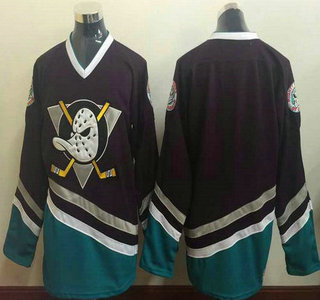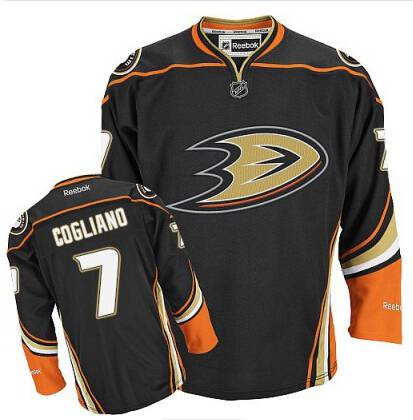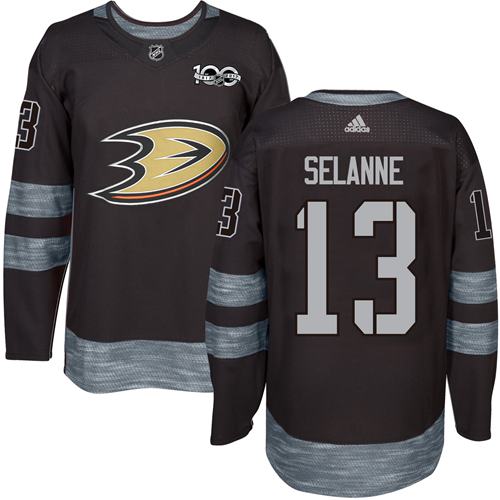
A stitched NFL jersey is a garment whose numbers, letters and nameplate are sewn onto the mesh shell with thread instead of being heat-pressed onto it. That single production decision separates a profitable bulk order from a warehouse full of returns. Buyers who search what is a stitched NFL jersey usually get a vague answer from a middleman who has never touched the fabric, then pay 30–40% above factory cost for the privilege.
This guide comes from the floor, not from a marketing deck. We run direct-factory allocation for team dealers, league managers and resellers across all four major sports, and the questions we answer every week are the same: what is actually inside the garment, how do you inspect a bulk shipment, and what does real factory pricing look like when nobody is skimming the margin in between.
Start with the shell. Every jersey we allocate is built from 100% breathable polyester mesh, and NFL-spec fabric weights run between 250 GSM and 300 GSM. The 300 GSM heavyweight mesh is the one serious buyers ask for by name — it has enough body to drape like an on-field jersey, and the mesh openings are sized to move air without snagging on shoulder pads or catching on equipment bags.
Lightweight 180 GSM mesh exists, and it sells, but it behaves differently in the wash. It curls at the hem, it shows every crease, and it goes limp after a dozen cycles. If your customers are high school programs, youth leagues or vintage resellers, specify the heavier weight and stop fielding complaints three months later.
Tackle Twill is the second checkpoint. Proper numbers are cut as double-stitched Tackle Twill — two separate layers of twill stacked, the base layer in the jersey color and the top layer in the contrast color, then locked down with a tight zig-zag border stitch. Single-layer patches with a printed edge feel plasticky in the hand and peel at the corners. Any buyer who has handled real stock can tell the difference in about four seconds.
What separates a factory that ships consistent goods from one that ships surprises is stitch density. Ask for these numbers before you sign off on a bulk run:
- Tackle Twill border: 8 to 10 stitches per inch, zig-zag locked at all corners
- Number edges: no loose threads longer than 2mm after trimming
- Collar band: reinforced double-row stitching that holds shape past 20 wash cycles
- Shoulder seams: bar-tacked at stress points where pads pull hardest
- Hem: flat-locked, no rolling after tumble testing
The inside of the jersey matters as much as the outside. Real factory stock carries a soft interior backing over the embroidery zone, so the thread tails never scratch skin or catch on a base layer. It sounds like a minor detail until a player wears the jersey for a full practice and comes off the field red across the back. Programs reorder from suppliers who get this right.
Collar construction is where cheap factories cut first. A reinforced collar band with ribbed knit and double-row stitching keeps the neckline from stretching out and drooping after a season of use. On a 300 GSM shell the added material cost is negligible, yet most low-price suppliers skip it because the shirt still looks fine on a hanger. It looks considerably worse on a player in week eight.
If you are weighing embroidery against heat transfer for a bulk order, the comparison is not close:
- Durability: stitched numbers survive 50+ wash cycles; pressed numbers typically lift within 10 to 15
- Feel: Tackle Twill has weight and texture; transfers read as flat plastic film
- Unit cost: stitched runs $2 to $4 more per jersey at wholesale — and retails for far more
- Resale value: vintage and collector buyers pay a clear premium for genuine embroidery
- Return rate: stitched goods come back less often, which protects your margin on the back end
This is why sourcing channel decides your pricing power. Every layer between you and the factory takes a cut without adding a stitch of value — a trading company, a regional distributor, an importer, a rep. That is two to three markups stacked on the same garment. Working directly with the source on stitched NFL jerseys removes those layers, and the difference shows up as either lower landed cost or higher gross margin. Most resellers take a mix of both.
Factory-direct pricing is laddered, not flat. Volume tiers typically break at 25, 50, 100, 250 and 500 units, with the per-unit price dropping at each step. Ask for the full tier sheet before quoting your own customers, because the spread between the 25-unit price and the 500-unit price is often 20% or more. Split a large purchase across two shipments if you need cash flow relief without losing the top-tier rate.
Size allocation is where inexperienced buyers lose money. A random assortment of smalls and mediums will sit on your shelf for a year. Real-world demand for football jerseys clusters hard in the middle:
- Youth leagues (age 8–14): roughly 30% small, 45% medium, 25% large
- High school programs: 20% small, 35% medium, 30% large, 15% XL and up
- Adult resale: 15% small, 25% medium, 30% large, 30% XL through 3XL
Ask your supplier whether the sizing runs true to US spec. Asian-tagged sizing can run a full size small, which turns a sellable inventory into a discount bin problem. Get a single sample in your target size, measure the chest from armpit to armpit, and compare it against a jersey your customer already owns before committing to a bulk run.
Inspection is non-negotiable on large orders. A practical acceptance standard is AQL 2.5 across major defects and AQL 4.0 on minor ones. That means pulling a random sample from the cartons — not the top layer the factory chose for you — and checking stitch density, color match on the twill, collar alignment, and whether the nameplate sits level. Run one wash test on a sample piece at 30°C before you accept the shipment. If the numbers lift or the collar rolls, you have your answer before you have 400 units on the shelf.
Care instructions belong on every listing you publish, because customer error drives a chunk of avoidable returns. Tell buyers to machine wash cold, inside out, on a gentle cycle. No bleach, no fabric softener, no hot water — heat is what kills pressed graphics and dulls twill. Air dry is the safest option; if a dryer is unavoidable, use low heat and pull the jersey out slightly damp. Hanging it immediately prevents the crease lines that make a new jersey look used.
Customization turnaround is the other question that decides whether a program reorders. Personalization covers stitched nameplates, sewn numbers, sleeve patches and shoulder marks. On a bulk run with a supplied roster, factories can match names to numbers and bag each unit individually by player — which saves your staff hours of sorting and eliminates the wrong-jersey-in-the-wrong-locker problem on delivery day.
Vintage and throwback programs deserve their own line item. Retro embroidery runs thicker thread, wider Tackle Twill borders and looser period-correct cuts. Collectors check the stitching on the back of the number and the placement of the sleeve marks, so sourcing these from a supplier who understands the difference between a modern replica and a genuine embroidered throwback matters more than saving a dollar a unit.
Lead times and minimums are straightforward when you buy at the source. Low MOQ thresholds let a league manager start with a single team set and scale into a full conference order later. Stock items move out of the warehouse fast, and custom runs are quoted with a firm production window rather than an open-ended estimate. Confirm both before you place the order — a supplier who will not commit to a ship date is telling you something.
Is a stitched jersey better than a printed one? For anything worn repeatedly, yes. Stitched numbers hold their shape, color and position through years of use. Printed versions are cheaper upfront and fine for one-off events, but they degrade quickly with washing.
How much does a stitched NFL jersey cost at wholesale? It depends on volume tier, customization and fabric weight. Expect meaningful savings over retail, and expect the per-unit cost to fall at 100, 250 and 500 units. Request the current tier sheet for exact numbers.
Will stitched jerseys shrink? Polyester mesh is dimensionally stable when washed cold and air dried. Shrinkage complaints almost always trace back to hot water or a high-heat dryer cycle.
Can I mix teams and sizes in one bulk order? Yes. Mixed-team, mixed-size orders are standard for resellers, and roster-level customization is available on the same run.
If you are sourcing for a league, a team or a resale channel, start with the tier sheet and a sample before you commit to volume. The full direct-supply catalog at Jerseys Wholesale Direct covers NFL, MLB, NBA and NHL programs with factory-direct pricing, no middleman markup, low MOQ entry points and fast bulk dispatch from the source. Pull the catalog, lock your tier, and price your margin before the season starts.