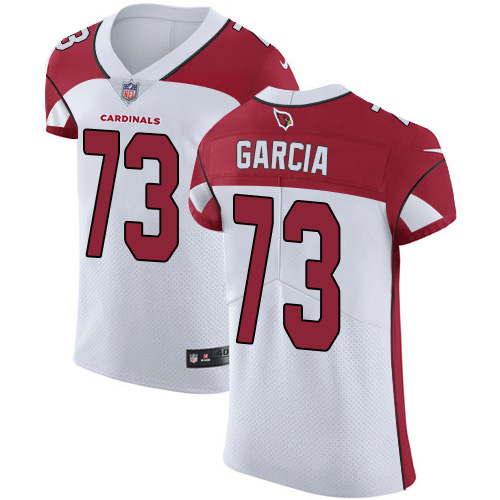
If you have ever quoted a buyer on a jersey that looked right in photos but arrived with curling numbers, you already know why sourcing discipline matters. What is a stitched baseball jersey, really, and why does that answer decide your profit per unit? A stitched jersey is built by sewing tackle twill letters and numbers through the fabric with multi-needle industrial machines, not by heat-pressing a plastic patch onto the chest. That one production decision controls how the jersey ages, how it photographs in your store, and how many reorders land in your inbox.
Most resellers lose money long before a jersey ever ships. Every layer between your purchase order and the actual sewing floor adds 12% to 25% markup, plus sampling delays, plus the joy of a “quality issue” email three weeks after your customer already hung the jersey on a rack. Going direct to the factory removes those layers, and it also removes the excuses.
Start with the definition, because the word “stitched” gets abused. Heat-pressed jerseys use vinyl or sublimated transfers bonded with adhesive and pressure. They look acceptable for about six washes, then edges lift and the number surface cracks. Stitched jerseys use twill fabric cut to shape, layered, and sewn down so the number is physically part of the garment. Pull on a stitched number and it flexes with the mesh instead of peeling off it.
Fabric is the second half of the equation. A serious factory runs 100% breathable polyester mesh at around 300 GSM for the body, which is heavy enough to hold a double-layer twill number flat through repeated washing. Cheap mesh at 150 to 180 GSM feels papery, shows every wrinkle, and lets the chest number pucker at the corners within a season. Ask for the fabric weight in writing before you approve anything.
Number construction is where the money hides. A double-stitched Tackle Twill number uses two-ply twill with a contrasting border layer, then runs a dense satin stitch around the perimeter at 8 to 10 stitches per inch. Single-ply twill with sparse stitching is the standard shortcut — it costs the factory less thread and less machine time, and it fails first. On a real game-weight jersey you should not be able to slide a fingernail under the edge of the number.
Lettering follows the same rule. Team name across the chest, player name on the back nameplate, and any sleeve embroidery should be stitched, not printed. Chenille patches and embroidered chest marks need a tight satin border with no exposed bobbin thread on the reverse side. Flip the jersey inside out during inspection; the back of the embroidery tells you more about the factory than the front does.
Then there are the details buyers feel but rarely ask about. Soft interior backing behind every number and patch keeps coarse thread from scratching skin, which matters on youth orders and on any team wearing these for nine innings in July heat. Reinforced collar bands hold the neckline shape after repeated stretch, and a double-needle bottom hem keeps the jersey from curling at the waist.
Baseball-specific construction deserves its own checklist. A proper button-down front needs a real placket with functional buttons, not a decorative strip sewn flat. Side vents at the hem allow movement during a swing. Sleeve piping and contrast trim should be sewn into the seam, not glued along the edge. If the placket fabric is a lighter weight than the body mesh, the jersey will look tired after two months of retail display.
This is the practical difference between a broker and a factory that actually cuts and sews. When you source bulk stitched baseball jerseys from a direct line, you are buying machine time on the same floor that produces the sample you approved, so the tenth dozen matches the first dozen.
Run every incoming shipment against a fixed QC list. It takes 20 minutes per carton and saves entire purchase orders:
- Stitch density: count 8 to 10 stitches per inch along the number border on two random jerseys per size.
- Number alignment: measure the chest mark against a printed template; anything off-center by more than 1/8 inch gets rejected.
- Fabric weight: weigh three body panels and confirm they hold the approved 300 GSM spec.
- Color match: compare dyed lots side by side under daylight, not warehouse LEDs.
- Trim and hardware: check button tension, seam backstitching, and that piping runs straight from collar to hem.
- Size curve: pull one unit per size and flat-measure the chest before you ship to a league buyer.
Sizing is the number one source of returns on team orders. Baseball jerseys are cut with roughly 2 inches of ease over body measurement, so a player with a 42-inch chest typically wears a size Large. Youth runs need separate attention because a “Youth Large” from one factory can measure like a competitor’s Youth Medium. Always ask for a flat-measurement chart in inches and confirm it matches your own tape before you publish a size grid.
Smart bulk buying comes down to five habits. Order a pre-production sample and approve it in writing with the stitch specs attached. Ask for a size curve that mirrors real roster distribution instead of a flat dozen per size. Lock tier pricing at 24, 60, and 144 units so your cost drops as volume climbs. Request the roster sheet format early so names and numbers are keyed correctly the first time. And confirm the ship date in the invoice, not just in the quote email.
Margin math is straightforward when you buy direct. If a mid-tier distributor quotes a stitched custom jersey at a landed cost near $34 and a direct factory line lands comparable specs closer to $19 to $23 depending on quantity and customization, the spread is your entire operating margin. Resellers who move 300 units a season typically fund their whole marketing budget out of that difference alone.
Care guidance for your own customers protects your reviews. Recommend washing inside out in cold water with a mild detergent, no bleach and no fabric softener, then hanging to dry. Heat is what kills stitched jerseys — a dryer softens the twill, shrinks the mesh, and dulls the embroidery thread. One printed care card in every poly bag cuts “it faded after two washes” complaints more than any email template will.
Turnaround matters as much as price. Direct factory lines usually run 7 to 12 days on stocked blank programs and 15 to 25 days on full custom with names, numbers, and patches. Stock embroidery programs ship faster because the digitized files are already on the machine. If a league deadline is fixed, order against the stock program and add customization in a second pass rather than gambling on a full custom run.
Custom team packages are where a knowledgeable buyer separates from a price shopper. Confirm the twill color codes against Pantone references, approve the nameplate font at actual size, and specify whether numbers are two-color layered or single-color with a stitched border. Get the roster spreadsheet locked two weeks before cutting starts. Every change after that point adds a setup charge and pushes your delivery date.
FAQ
Is a stitched jersey worth the extra cost over a printed one? Yes, if you resell. Stitched numbers survive 40 to 60 wash cycles; heat-pressed numbers typically fail between 8 and 15. The higher unit cost is recovered on the first reorder.
How do I tell a real stitched jersey from a fake? Look at the reverse side. Genuine tackle twill shows a clean satin border with trimmed thread tails and a soft backing layer. Fakes show loose thread, glue residue, or a raised plastic edge.
What is the minimum order for custom stitched baseball jerseys? It depends on the program. Stock colorways with names and numbers usually start far lower than full custom dye lots. Ask for the exact MOQ per style before you quote a client.
Do stitched jerseys fit true to size? They fit true to the factory size chart, which is not always the same as a retail brand chart. Always flat-measure a sample and compare it to your customer’s chest measurement.
Stop paying distributor markup for specs you can verify yourself. Browse the full direct-from-factory catalog at Jerseys Wholesale Direct to compare fabric weights, stitch programs, and tiered quantity pricing side by side. First-order factory pricing, low MOQ entry points, and fast bulk dispatch mean you can test a program with one carton instead of committing to a container, then scale the moment the reorders start coming in.