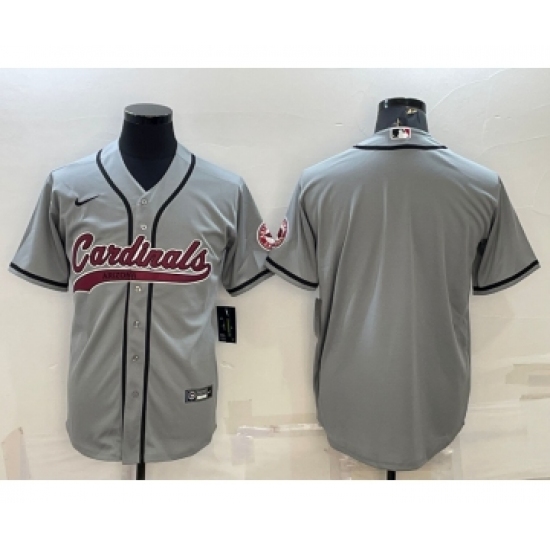
If you are sourcing team gear and still cannot answer what is a stitched NFL jersey versus a screen-printed replica, you are likely overpaying for product that will not survive a season. Most wholesale quotes you receive come from trading companies that layer 25% to 40% on top of factory cost before the goods ever leave the dock. Add vague fabric specs, four-week lead times, and embroidery that frays after three washes, and your resale margin is gone. This breakdown covers the real construction, the inspection points, and the factory-direct pricing that protects your landed cost.
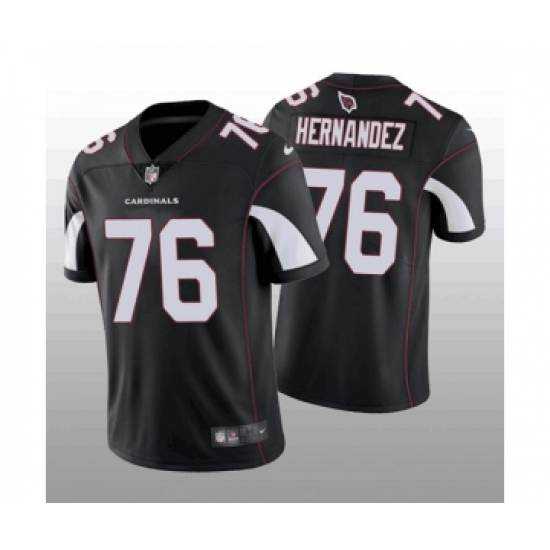
A stitched jersey uses sewn-on tackle twill letters and numbers, not heat-transferred vinyl or screen print. On a true pro-grade build, each number is cut from two layers of fabric, then zigzag-stitched onto the mesh body with a dense border stitch. That is why a properly built stitched NFL jersey holds its shape after repeated washing while printed replicas crack, peel, and fade within months. For resellers, the difference is not cosmetic. It is the difference between a product that generates repeat orders and one that generates refund requests.
The body fabric most buyers should be asking for is 100% breathable polyester mesh at 300 GSM. That weight gives the jersey a substantial hand feel without turning it into a heavy, unwearable shell in summer heat. Cheaper suppliers push 180 to 220 GSM mesh that hangs flat, shows every wrinkle, and tears at the shoulder seam under contact. Ask for the fabric weight in writing before you approve a sample.
Numbers should be double-stitched Tackle Twill, meaning two layers bonded at the edges and then sewn with a tight perimeter stitch. Single-layer print or thin twill appliqué looks acceptable in photos and fails in hand. Run your thumbnail along the edge of a number on a sample; if the stitch count is low, you can feel the gap immediately.
Soft interior backing is the detail that separates wear-ready jerseys from scratchy imports. Without a backing layer, embroidery threads contact skin directly and cause chafing during games, which generates complaints from your league and team accounts. Every jersey leaving a real direct factory should have a bonded inner liner behind the numbers and crest.
Reinforced collar bands matter more than most buyers realize. The collar takes the stress of pulling the jersey on and off, and a single-stitch ribbed collar will stretch out or separate at the shoulder within a season. Look for a double-row stitch on the collar seam and a taped neckline that will not curl after washing.
Embroidered crests should be dense but not stiff. A crest with too few stitches looks flat and loses detail; too many stitches on a lightweight backing puckers the fabric. The right build uses a stabilizer behind the crest so the embroidery sits clean and flat against the mesh instead of pulling it out of shape.
Start with what is a stitched NFL jersey at the construction level, because the answer sets your price ceiling. When you buy from a factory that ships direct, the money that would have paid two or three intermediary margins stays in your pocket or in your customer's. That gap is where your wholesale profit lives, and it compounds across every reorder.
Direct suppliers price on volume tiers, not on a flat rate. A 50-piece order, a 300-piece order, and a 1,000-piece order should carry three different unit costs, and the discount should appear on the invoice, not just in conversation. Ask for the full tier sheet before you commit to a quantity.
Low MOQ is not a red flag when a factory stocks blank mesh and handles decoration in-house. Mixed-size and mixed-team orders can run together, which means a league starting with 40 jerseys still gets factory pricing without sitting on dead inventory it cannot move.
Inspection should follow a written AQL standard, typically 2.5 for major defects and 4.0 for minor ones. Spot-check at least 10% of the carton and photograph every defect so your supplier can correct the next run. The checkpoints that catch the most problems are:
- Stitch density and alignment at every number edge
- Collar attachment and neckline tape security
- Shoulder and side seam alignment front to back
- Crest placement, centering, and backing adhesion
- Tag and label placement against your approved sample
Size runs on stitched jerseys are usually built for layering, so a medium fits closer to a standard large in a fashion cut. Pull the actual chest measurement from the factory spec sheet rather than trusting the size tag. For youth programs, order one size up from street wear to leave room for pads and growth.
Wash stitched jerseys inside out in cold water on a gentle cycle, and skip fabric softener because it breaks down mesh fibers over time. Air dry flat or hang. A hot dryer shrinks polyester and dulls the twill, so if you must machine dry, use low heat and pull the jersey out while it is still slightly damp.
Fading almost always comes from heat and harsh detergent, not from the dye itself. Wash dark jerseys separately for the first two cycles, and never iron directly over embroidery. A pressing cloth protects both the twill and the mesh. A simple care routine keeps a 300 GSM jersey looking new for years:
- Cold water, inside out, gentle cycle
- No bleach, no softener, no hot dryer
- Hang or lay flat to dry away from direct sun
- Iron on low with a cloth barrier, never on the print or twill
Stock programs give you same-week shipping on common sizes and colors, which is critical for resellers filling online orders. Custom programs give you team names, numbers, and sponsor marks but need a decoration window. The strongest suppliers run both, so you can fill an urgent order from stock while the custom run builds in parallel.
Ask for the production calendar in days, not weeks. A factory that controls its own mesh knitting and embroidery can turn a 500-piece decorated order in 10 to 15 days. If the answer is 45 days, you are talking to a broker, not a manufacturer.
The most expensive mistake buyers make is chasing the lowest unit price without a sample. A two-dollar gap per jersey disappears the moment 15% of the order arrives with crooked numbers or loose collars. Pay for a sample, approve it in writing, and hold that approved piece against the bulk shipment when it lands.
Carton packing should be specified up front. Flat-folded jerseys take less space per unit than hang-packed, which lowers your freight cost on ocean shipments. Request poly-bagged singles if you sell online and need retail-ready presentation, and confirm the carton quantity per size before production starts.
Locking a direct factory relationship beats shopping every season. Once your patterns, sizes, and decoration specs are on file, reorders move faster and defect rates drop. That reliability is worth more than a one-time discount from an unknown trader who disappears after the first container.
Are stitched NFL jerseys worth the higher unit cost for resellers?
Yes, if you sell to teams, leagues, or fans who expect durability. The higher cost is offset by fewer returns, lower complaint volume, and stronger repeat business across a full season.
What fabric weight should I specify in a purchase order?
300 GSM breathable polyester mesh is the standard for a premium build. Anything under 220 GSM is a value-tier product and should be priced and marketed that way.
How do I wash a stitched jersey without ruining the numbers?
Cold water, inside out, gentle cycle, no softener, and air dry. That routine keeps the twill, mesh, and collar tape intact for years of wear.
What is a reasonable MOQ for a first order?
Direct factories commonly start at 30 to 50 pieces per design when blanks are in stock. A requirement above 200 pieces for a first sample run usually means you are working with an intermediary.
Stop paying markup to middlemen who never touch the fabric. Go to Jerseys Wholesale Direct to view current stock, request the tier pricing sheet, and lock in your first sample run. Factory-direct cost, low MOQ, and fast bulk shipping are the entire point of buying this way.