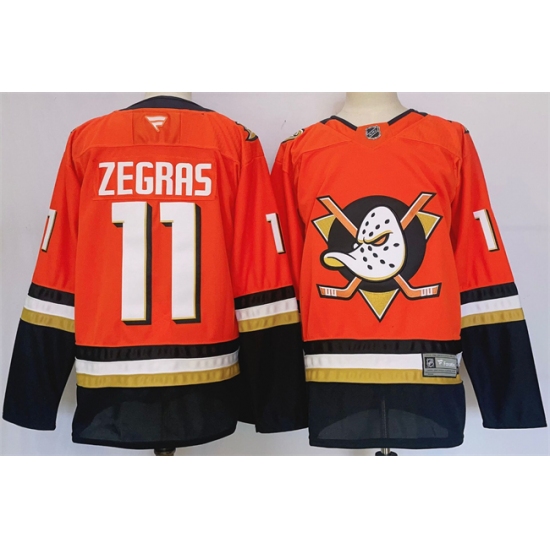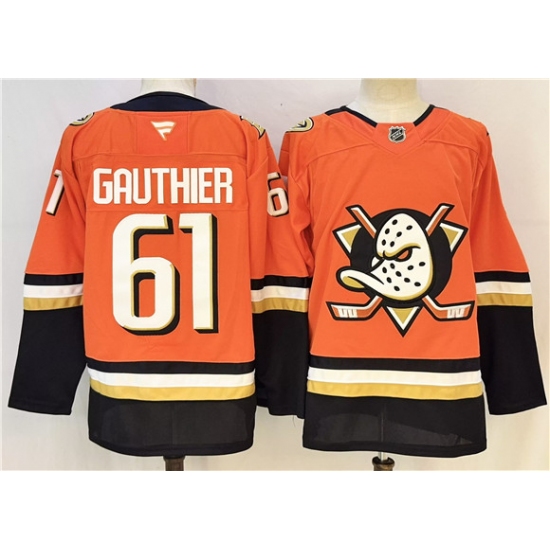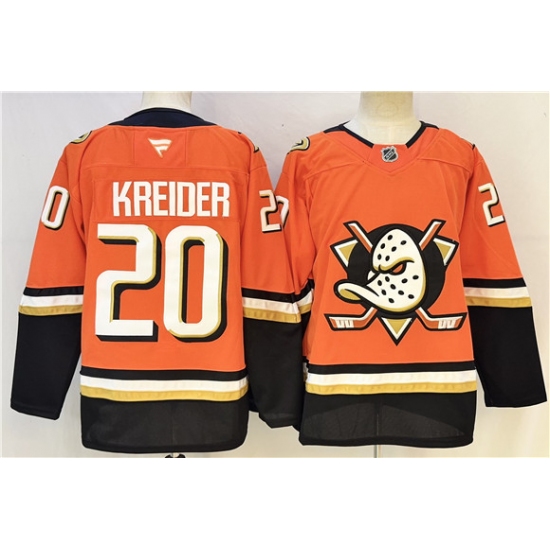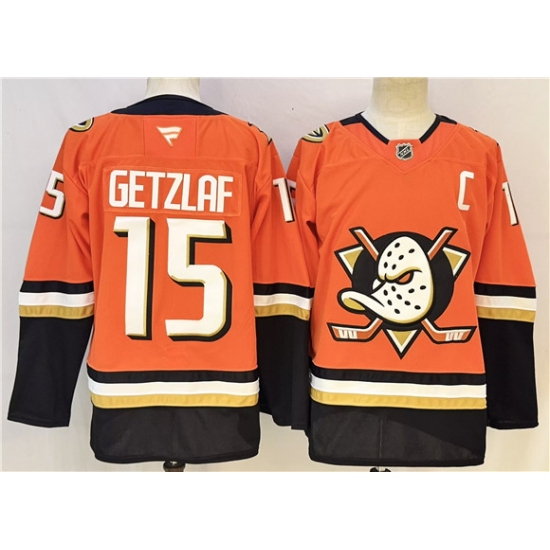
Personalized NFL jerseys in bulk only stay profitable when the number on your invoice is the number the factory charges. Most resellers quoting team accounts are buying from a distributor who bought from an importer who bought from the production line, and every hand in that chain quietly takes 15% to 30%. That spread is your margin, and it is gone before you send a single quote. Add four-week lead times, embroidery that frays after three washings, and suppliers who disappear when a size run comes up short, and the "deal" stops being a deal.
Buying personalized NFL jerseys in bulk direct from the production floor changes the math on all four problems at once: unit cost, minimum order size, decoration accuracy, and delivery certainty. Direct supply means one price layer, one production calendar, and one party accountable for the goods that land on your dock.
Start with what "personalized" actually means at factory level, because it drives cost more than anything else. There are three decoration routes, and they are not interchangeable for resale quality.
- Sewn tackle twill letters and numbers — cut panels stitched onto the body; the standard for licensed-spec look and the best resale value.
- Direct embroidery — thread built up on the fabric; strong for names, small logos, and youth sizing where twill layers feel stiff.
- Heat-transfer print — cheapest and fastest, but it cracks at the fold lines and customers return it.
For team accounts and resale, sew-on tackle twill is the safe default. It survives industrial washing, it photographs well in your listings, and it matches what buyers expect when they see a stitched jersey in person.
The body fabric matters just as much, and this is where cheap sources get exposed. Ask for 300 GSM 100% breathable polyester mesh and confirm it in writing. Sub-200 GSM mesh feels papery, clings, and shows every pull. At 300 GSM the knit holds shape through a full season, moves air under pads, and keeps the shoulder and side panels from sagging after repeated wash cycles.
Then check the numbers. Double-stitched Tackle Twill numbers should carry a tight zigzag border with roughly 8 to 10 stitches per inch. One pass of straight stitching is what you find on bargain stock; two passes, run with bonded polyester thread, is what stops edge curl after the fourth wash. Pull a jersey inside out and look at the reverse — clean, dense, no loose tails.
Two details separate a jersey that gets reordered from one that gets returned. The first is soft interior backing behind every embroidered and appliquéd zone: a lightweight tricot or twill interlayer so the stitching never bites into the chest or shoulder blades. The second is reinforced collar bands — a double-layer rib knit with taped shoulder seams so the neckline does not stretch into a wave after a dozen pulls over a helmet or head.
Also ask about the side seam finish. A Z-stitch or two-needle cover stitch on the hem and sleeve openings costs the factory almost nothing and prevents the blowouts that turn into credit requests. If a supplier cannot tell you the seam type by name, they are not running the line.
This is exactly the specification we hold on every production run, and you can review the full range of personalized NFL jerseys in bulk with fabric weights and decoration types listed per style. Compare the construction notes against whatever sample you are holding — the difference shows up at the seam tape and the number border.
Pricing works on tiers, not on negotiation. A typical factory-direct structure breaks at 24 pieces, 72 pieces, 144 pieces, and 500-plus, with the per-unit drop between tier one and tier four running 20% to 35% depending on decoration. Set your resale price off the tier you can realistically hit, not the tier you hope to hit in year two.
Minimum order quantities direct from the line usually start low enough to test a roster — often 10 to 24 units per style, sometimes less when you accept stock colors and stock size curves. Custom colors and fully bespoke name sets push the floor up, because the factory has to run a separate cut and a separate embroidery file.
Size curves decide whether a bulk order sells through or sits. Build your order off actual roster counts, not a flat spread. A typical adult curve that clears is roughly 2 XL, 4 L, 5 M, 3 S per 14 units, with youth ordered separately by age band rather than scaled down from adult proportions. Confirm chest measurement in inches, flat, pit to pit, on the size you plan to stock — NFL-style jerseys are cut generously, and buyers who normally wear a large often fit a medium.
Quality control on a bulk run is a checklist, not a feeling. Before you pay the balance, pull a random sample across sizes and run these checks:
- Measurement audit — chest, body length, and sleeve opening within a 0.5-inch tolerance of the spec sheet.
- Stitch inspection — no skipped stitches, no loose thread tails over 3 mm, number edges flat with no lifting corners.
- Colorfastness — rub test on dark panels, plus a cold-wash sample to confirm no bleeding into white trim.
- Name and number accuracy — spell every player name against the submitted roster, letter by letter, before the run ships.
Personalization logistics cause more delays than production does. Submit one clean roster file with player name, number, size, and style code in a single column format, and lock it before the cut date. Late name changes after embroidery files are punched mean either a re-run or a patch job, and both eat your margin. Give yourself a 10 to 14 day buffer ahead of the season opener.
Production timing direct from the line usually runs 7 to 15 business days for stock styles with applied personalization, and 20 to 30 days for fully custom cuts and colorways. Air freight adds 5 to 8 days; sea freight needs 30 to 40 days and belongs on reorders, not on a first run with a fixed deadline.
Hand your buyers a care card with every jersey. It cuts returns more than any other single step. Cold wash inside out, mild detergent, no fabric softener, no bleach, hang dry away from direct sun, and never put a stitched jersey in a hot dryer — heat is what shrinks mesh and lifts twill edges. Fold, don't hang, for long-term storage so the shoulders do not stretch.
For resellers building a repeatable program, order stock colors deep and personalization shallow. Blank or stock-roster jerseys can be moved to a second team, a different league, or next season's fundraiser; a fully bespoke colorway with a specific name set cannot. Keep 70% of your buy in stock styles and 30% in custom, and your deadstock risk stays manageable.
Ask any supplier four questions before the first order: what GSM is the mesh, is the number appliqué double-stitched, what is the MOQ per style, and what happens on a short shipment. Straight answers with numbers in them are the difference between a factory and a middleman with a website.
What is the minimum order for personalized NFL jerseys in bulk? Most direct runs start around 10 to 24 units per style in stock colors, with tiered pricing improving at 72 and 144 pieces. Fully custom colorways and cut patterns require a higher floor because of separate cutting and file setup.
Can I mix players, numbers, and sizes in one bulk order? Yes. Mixed rosters are standard, as long as every name and number is submitted on one locked roster file before the cut date and the total meets the style minimum.
How long does a bulk personalized order take? Roughly 7 to 15 business days for stock styles with personalization, 20 to 30 days for custom builds, plus transit. Add a two-week buffer before any fixed game date.
Do stitched jerseys shrink? Quality polyester mesh is pre-shrunk and stable under cold washing. Shrinkage and twill lifting come from hot water and machine drying, which is why hang drying is the single most important care instruction you can pass to end buyers.
If you are sourcing for a league, a team store, or a resale channel, stop paying for layers that add nothing but paperwork. Check the fabric weight, count the stitches, lock the roster, and buy from the line. Head to Jerseys Wholesale Direct to compare the full NFL direct-supply catalog, confirm first-tier factory pricing, and place a low-MOQ test run that ships fast from production — no distributor margin built into your cost.