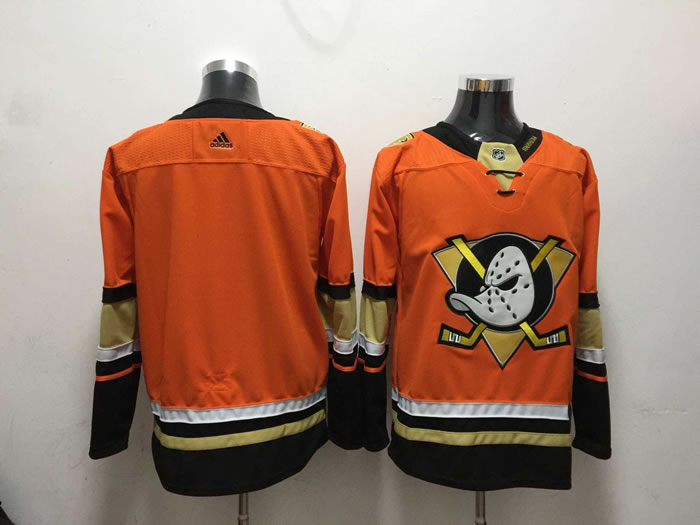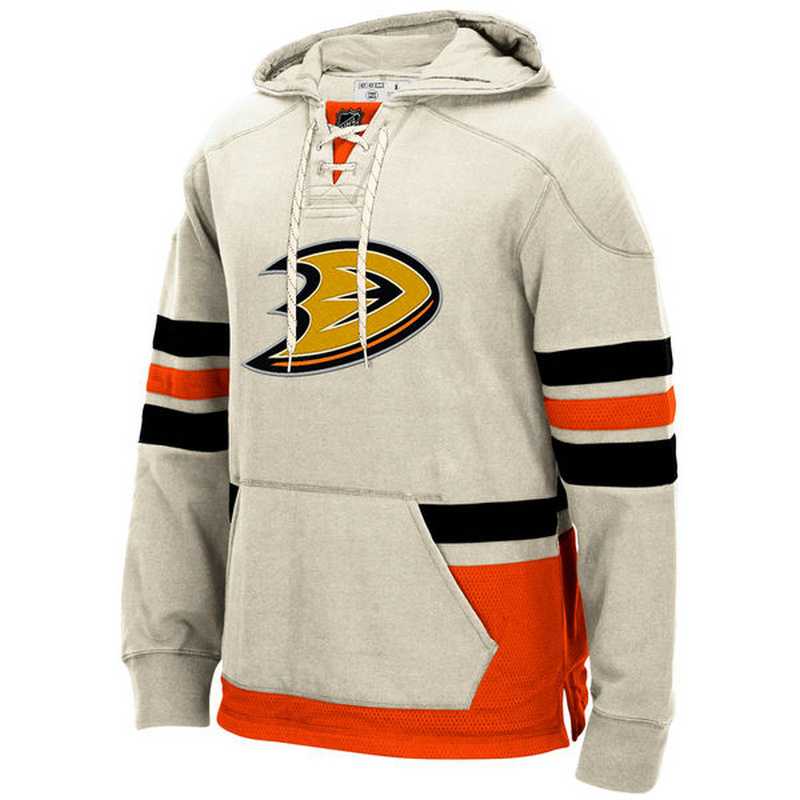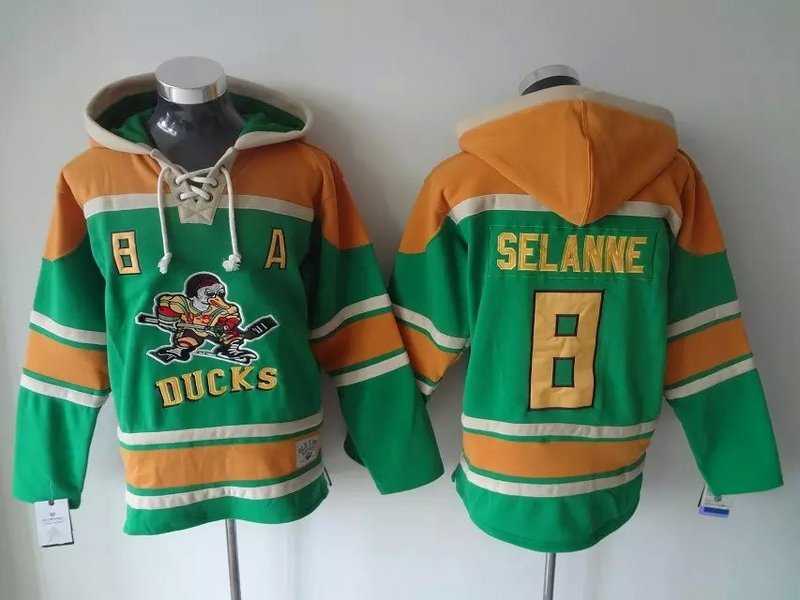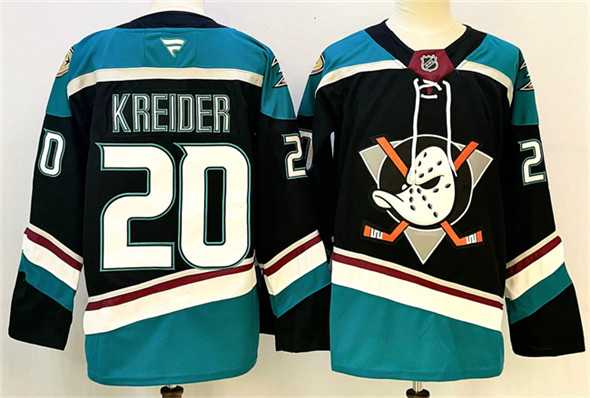
Sourcing new york jets jerseys at wholesale price should not require four markups, three follow-up emails, and a two-month wait. Yet that is exactly what happens when buyers work through agents and trading companies that add cost at every step. The quote looks low at first, then the invoice grows with “handling,” “rush,” and “quality upgrade” fees. Worse, the finished jerseys arrive with thin mesh, loose embroidery, and no real after-sales protection.
Jerseys Wholesale Direct cuts that chain. We quote from the factory floor, not from a reseller’s spreadsheet. That means your landed cost is tied to fabric weight, stitch count, labor time, trim, packaging, and freight — not to an extra layer of commission.
For a B2B buyer, the direct model changes the math. A reseller ordering Jets stock for a fan shop, a league manager outfitting multiple teams, or a distributor filling a seasonal catalog can plan around stable wholesale tiers instead of guessing what an agent will charge next month. There is no hidden rebate and no middleman padding the unit price.
The core fabric is 100% breathable polyester mesh, available in standard weight and a 300 GSM heavyweight mesh for buyers who want a denser hand feel and better shape retention. The mesh is tested for air permeability, colorfastness, and shrinkage. It should hold its form after repeated wash cycles, not turn limp or shiny after the first season.
Numbers and logos are not glued on. They are cut from Tackle Twill and double-stitched to the body. A proper jersey uses layered twill, clean edge stitching, and zigzag lock stitching at stress points. That last detail matters on a Jets jersey because the shoulder, armhole, and number edges take the most pull during packing, wearing, and washing.
Inside the jersey, look for soft interior backing behind the embroidery. A cheap supplier skips it, and the wearer feels scratchy thread against the skin. Also check the reinforced collar bands. A flimsy collar rolls after one wash. A reinforced collar keeps its shape and gives the jersey a retail-ready finish.
Before placing a bulk order, inspect these points on a sample:
- Stitch density on numbers and letters — tight, even, no skipped stitches.
- Edge alignment — twill layers sit flat with no curling or lifting.
- Interior backing — soft panel covers the reverse side of embroidery.
- Collar and cuffs — reinforced bands recover their shape after stretching.
- Mesh weight — fabric is opaque, not see-through under light.
- Color match — team colors are consistent across the full batch.
- Wash test — cold wash and hang dry with no bleeding, fading, or seam puckering.
Sizing is another place where cheap supply hurts resellers. NFL jerseys generally run true to size, but fit varies by cut, fabric weight, and whether the buyer wants a game-day layer or a trim retail fit. Use a chest width, body length, and sleeve length chart — not just S, M, L, XL labels. Measure a sample jersey flat on a table and compare it with your existing stock.
For a wholesale order, build a realistic size curve. Most fan-shop demand sits in M, L, and XL, with a smaller run in S and 2XL. Youth sizes move well for family buyers and league programs. If you are testing a new market, start with a focused size spread and reorder the winners. Do not let a supplier talk you into a flat size run that leaves you with dead stock.
Vet the supplier, not just the price list. A real direct factory can show you its production line, fabric inspection records, embroidery machine setup, and packing area. Ask for a short video of the exact Jets jersey style you are ordering. A trading company will send stock photos and delay answers. A factory will show you the twill cutting table, the sewing line, and the final QC station.
Minimum order quantity should be clear before you pay. Stock blank jerseys can ship at low MOQ. Custom names, numbers, and team-specific runs usually need a higher MOQ because the factory has to set up cutting, embroidery, and sewing batches. Ask for the price break at each tier: 24, 50, 100, 250, and 500 units. The per-unit drop should be real, not a fake discount built into the first quote.
Lead times need to be quoted in writing. Stock orders can move in a few business days. Custom bulk orders typically need two to three weeks after artwork and size breakdown approval. Peak season — back-to-school, playoffs, and holiday — adds pressure. A direct supplier will give you a production calendar and a ship date, not a vague promise.
Margin protection comes from buying at the factory tier. If an agent quotes you a jersey at a price that already includes two commissions, your retail price has to climb or your profit shrinks. Direct factory pricing lets you keep a sensible retail margin while staying competitive in a fan shop, online store, or league uniform program. You also avoid the cost of reordering from a middleman who has marked up the same batch twice.
Care instructions should go on the hangtag or insert. Wash cold, inside out, with mild detergent. No bleach. No fabric softener. Hang dry or tumble low. Do not iron directly on Tackle Twill or printed areas. These steps reduce fading, shrinkage, and thread wear. A simple care card cuts returns and keeps the jersey looking sharp after multiple wears.
Packing matters for resellers. Ask for individual poly bags, size stickers, and optional hangtags. If you sell in a retail setting, a clean fold and a visible size label save labor. If you ship e-commerce orders, a moisture-resistant outer bag protects the jersey in transit. Custom labels and branded neck tags are possible on larger runs, but confirm the MOQ and lead time before you promise them to your customers.
Personalization is a strong upsell for team stores and fan shops. Names and numbers should be cut and stitched to the same standard as the main jersey. Confirm the font, spelling, and number style before production. For league orders, collect a clean roster sheet with size, name, and number. That single step prevents most customization errors.
If you are comparing suppliers, request a sample of quality stitched NFL jerseys from the exact factory line you plan to use. Check the mesh against a light, pull the collar, rub the interior backing, and inspect the number edges. Then wash it. A jersey that survives a cold wash and hang dry without fading or puckering is a safer bulk buy than a cheaper sample that looks good only in photos. You can review direct stock options through quality stitched NFL jerseys before you commit to a full production run.
Q: Are NFL jerseys true to size? Most NFL jerseys run true to size, but fit depends on the cut and fabric weight. Always compare a flat measurement chart for chest, length, and sleeve before ordering bulk. If your customers prefer a looser fit, size up for a small portion of the order.
Q: What is the minimum order for Jets jerseys at wholesale price? Stock blank orders can start at low MOQ. Custom names, numbers, and team-specific runs require a higher MOQ because the factory must set up cutting and embroidery batches. Confirm the exact tier before payment.
Q: Can I mix sizes and teams in one wholesale order? Yes, most direct stock programs allow a mixed size run and multiple team styles. Custom production may require a minimum per style or per color. Ask for a written breakdown so there is no surprise at packing.
Q: How do I check stitch quality before a bulk order? Order a sample and inspect stitch density, twill edge alignment, interior backing, collar recovery, and wash performance. A factory that stands behind its work will send the exact sample style, not a generic photo.
Ready to buy at the factory tier? Review the full NFL direct stock catalog at Jerseys Wholesale Direct for first-hand factory pricing, low MOQ entry points, and fast bulk dispatch. Confirm your size curve, customization needs, and ship date, and the order moves from the production floor to your door without agent fees eating your margin.