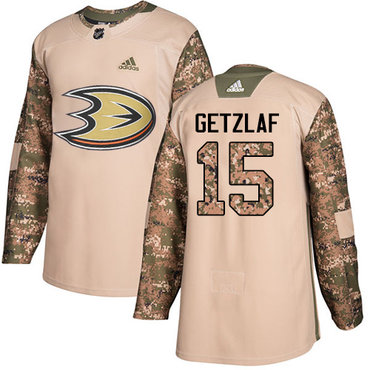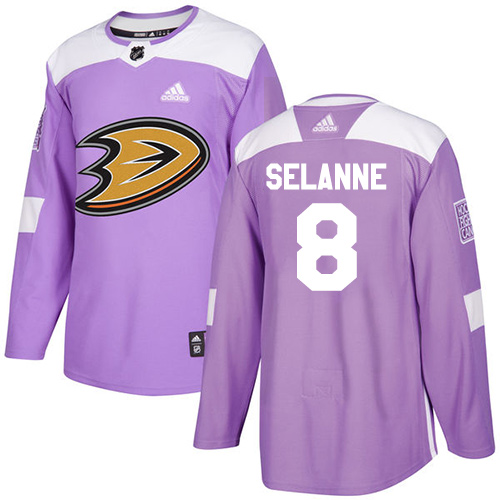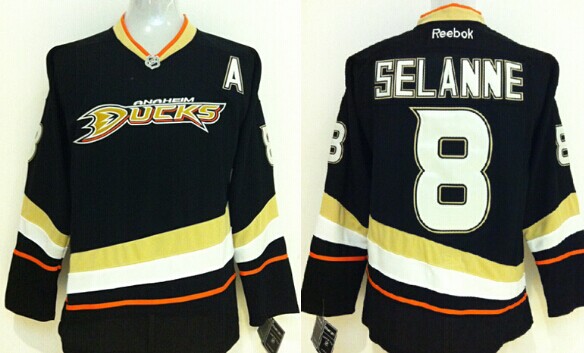
Most hockey jersey material guide articles floating around the web were written by people who have never touched a 300 GSM mesh roll. If you are buying bulk hockey jerseys for a team store, a minor league program, or a reseller network, the fabric spec you approve this month decides your return rate next season. Trading companies hide behind vague terms like "pro-quality mesh" and quietly add 25% to 40% on top of the factory quote.
That markup comes out of your margin, not theirs. The only way to protect your spread is to understand what the mill actually ships — fabric weight, stitch density, lining grade, collar construction — and then buy it straight from the source.
Start with weight. A true pro-grade hockey jersey runs 300 GSM on the body shell, not the 180 to 220 GSM you get from budget suppliers who market the same garment as "heavyweight." GSM is grams per square meter, and it is the single fastest way to separate real factory stock from repackaged junk.
- 180–200 GSM: thin, transparent under arena lighting, loses shape after 8–10 washes
- 240–270 GSM: acceptable for youth rec programs and practice sets
- 300 GSM and up: retail-grade, holds shoulder structure, survives repeated industrial laundering
The shell should be 100% breathable polyester mesh, not a polyester-cotton blend. Blends trap heat, pill along the underarms, and fade unevenly when a league uses a shared laundry service. Pure filament polyester mesh dries in roughly half the time and keeps colorfast through a full 60-game season.
Ask for the fabric test report before you approve a production run. Any legitimate mill will hand over a GSM reading, a shrinkage result, and a colorfastness score of 4 or higher on the gray scale. If a supplier dodges that request, they are sourcing from a broker, not a factory.
Now look at the decoration. This is where cheap product falls apart first. Single-stitch twill numbers curl at the corners after three or four washes. What you want is double-stitched Tackle Twill numbers with a tight zig-zag lock around every edge, cut from a dense twill that does not fray when it is die-cut.
Puckering is the other silent killer. If the backing paper or stabilizer is wrong, the twill pulls the mesh and you get a wrinkled halo around every number. Inspect a sample under raking light — a flat, ripple-free surface means the shop knows what it is doing.
Flip the jersey inside out. Serious manufacturers add a soft interior backing behind the embroidery and twill so the stitching never scratches a player's back or snags a base layer. On cheap stock, the thread ends are left exposed and knotted. That single detail drives most of the "my jersey is itchy" complaints your retail buyers will file.
Collar construction deserves its own line item. Reinforced collar bands with a double row of stitching keep the neckline from stretching into a wavy mess. On NHL-style builds you should also see a lace-up front neck, a shoulder yoke with a clean seam line, and a properly anchored fight strap sewn into the lower back panel.
Pick the decoration method based on your order, not on habit. Sublimation makes sense for full-print designs and large youth runs where every panel is a different color. Tackle Twill and embroidery win on pro-style stock, throwback programs, and anything a collector will inspect closely. Screen print is fine for practice pinnies and nothing else.
If you are sourcing heavyweight stitched hockey jerseys at factory-direct pricing, order a sample first and cost it out by stitch count rather than by unit price. A jersey that costs $3 more and lasts three seasons is cheaper than a $12 jersey you replace twice a year.
Sizing trips up more B2B buyers than fabric does. Hockey jerseys are cut oversized to fit over shoulder pads, and the numbered sizing confuses first-time importers. Use the following as your baseline when you build a size curve:
- 46 (S): 44–46 in chest, youth and small-framed adults
- 50 (M): 48–50 in chest, most common adult retail size
- 52 (L): 50–52 in chest, your highest-volume SKU
- 54 (XL): 52–54 in chest
- 56–60 (2XL–4XL): order at 8–12% of total units, not 20%
Always request the factory's flat-lay measurement chart in centimeters and compare it against a jersey you already sell. Two suppliers can both label a garment "52" and differ by 4 cm across the chest. Lock the measurement spec into the purchase order so the second production run matches the first.
On custom work, confirm three things in writing: name and number font, number height in inches, and patch placement coordinates. Sleeve numbers should sit 1 to 1.5 inches below the shoulder seam. Back numbers are typically 10 to 12 inches tall on adult sizes and 8 inches on youth. Vague approvals produce vague results.
Bulk pricing structure matters as much as the base rate. Direct factory programs usually work in tiers, so a 200-piece order can land 15% to 22% under a 50-piece order. Ask for the tier breakpoints up front and build your size curve so you cross the next threshold instead of landing just under it.
Set a written QC standard before production. A simple AQL 2.5 inspection on major defects and AQL 4.0 on minor ones catches the problems that matter without slowing the line:
- Misaligned twill numbers or crooked nameplates
- Loose or skipped stitches on collar and shoulder seams
- Shade variation between panels from the same dye lot
- Missing fight straps, patches, or size tags
- Measurement drift beyond ±1 cm from the approved spec
Request photo documentation of the inspection, not just a pass/fail email. Photos of the actual packed cartons with the size breakdown visible protect you if a shipment arrives short or mislabeled.
Care instructions are worth including on your retail listings — they cut returns dramatically. Tell your buyers to turn the jersey inside out, wash cold on a gentle cycle, skip fabric softener entirely, and never put twill in a hot dryer. Hang dry flat or on a wide hanger. Fabric softener coats the mesh and dulls the embroidery faster than anything else.
Watch your lead times. Standard factory production on stitched stock runs 12 to 18 business days after artwork approval, with rush options available on in-stock blanks. Freight adds time on top, so plan restocks around your league's registration window rather than the first game day. Programs that order in August for a September season are already late.
Beware of anyone who cannot answer basic production questions. If a "direct supplier" cannot tell you the GSM, the stitch type, or the name of the mill, you are talking to a middleman with a website. Real factory contacts talk in specs, give you tier pricing without a runaround, and let you speak to the production floor when something goes wrong.
That is the difference between buying jerseys and building a supply chain. One gives you a shipment. The other gives you a cost structure your competitors cannot match.
Q: What GSM should a good hockey jersey be?
Aim for 300 GSM or higher on the body shell for retail and pro-style stock. 240 to 270 GSM is acceptable for youth recreational programs and practice sets. Anything under 220 GSM will look thin under arena lighting and lose its shape quickly.
Q: How many jerseys should I order for a first bulk run?
Most B2B buyers start with 100 to 200 pieces across a standard size curve to hit the first real price tier. Concentrate 55% to 60% of units in sizes 50 and 52, since those two sell fastest at retail.
Q: Does double-stitched Tackle Twill really last longer than printed numbers?
Yes. Twill with a zig-zag lock stitch holds its edges through dozens of wash cycles, while printed numbers crack and fade as the ink layers break down. For anything a customer will keep for years, stitched is the correct choice.
Q: Can I mix stitched and sublimated jerseys in one order?
Usually yes, but the two methods have different minimums and production timelines. Confirm both minimums before you commit, and keep them as separate line items on the purchase order so the QC standard applies correctly to each.
If you are ready to stop paying distributor margins, pull up the full inventory at Jerseys Wholesale Direct and compare our factory-direct pricing against your current invoice. You get one-hand source pricing, tiered bulk discounts that scale with volume, low minimum order thresholds for first-time league buyers, and fast direct-from-factory dispatch on in-stock styles. Send your size curve and artwork today, and we will quote the run the same business day.