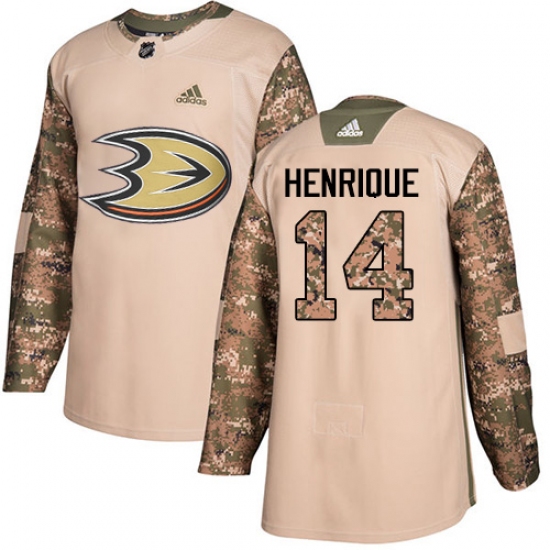
Working without a real hockey jersey material guide is how resellers quietly lose margin on every reorder. This breakdown covers the fabric weights, stitch construction, and trim details that separate true factory-direct gear from product that has passed through three layers of middlemen.
Most buyers discover the problem after the carton lands, not before. The shell is thin, the crest puckers, the numbers lift after two washes, and the league manager wants a free replacement run. None of that happens when the specs are locked before the deposit clears.
Start with fabric weight, measured in GSM, or grams per square meter. Lightweight fan shirts sit around 150–180 GSM and feel closer to a T-shirt than a hockey jersey. Mid-tier replicas land near 220–240 GSM.
Heavyweight on-ice-style shells are built at 280–300 GSM, and that is the range serious wholesale buyers request. A 300 GSM knit holds shape through a full contact season, takes embroidery without collapsing, and reads as authentic the second a customer picks it up.
Fabric type matters as much as weight. The performance standard is 100% breathable polyester mesh, usually a diamond or honeycomb knit, sometimes blended with a small percentage of spandex for stretch through the shoulders.
Mesh does two jobs at once. It moves heat off the body during play, and it gives the embroidery needle a stable grid to lock into. Tight, high-density mesh produces clean crest edges; loose cheap knits let thread pull and halo.
Decoration is the next fork in the road, and it drives both unit cost and perceived value.
- Tackle Twill appliqué — die-cut fabric letters and numbers sewn onto the shell. The premium look buyers associate with pro-issue gear.
- Sublimation — dye printed into the fabric. Adds no weight and no texture, and it will not survive a side-by-side comparison with twill in person.
- Screen print — cheapest at volume, prone to cracking once plastisol flexes in the wash.
- Heat transfer vinyl — sharp detail, but edges lift fast if press temperature drifts on the factory floor.
When you specify twill, specify the stitch. Numbers and nameplates should be double-stitched Tackle Twill with a tight zigzag border, not a single pass with visible gaps at the corners.
Ask for Z-stitch reinforcement at high-stress points: shoulder seams, armhole junctions, and any fight strap anchor. That one line item on the spec sheet cuts repair claims more than any other upgrade.
Look inside the jersey, too. A soft interior backing behind every embroidered element keeps loose thread off bare skin, which matters for youth leagues and for any program selling into schools.
Collar construction is where budget factories cut first. A quality shell uses a reinforced collar band that will not stretch out of shape, plus a properly finished lace-up neck opening or a clean V-neck with even ribbing.
Shoulder yoke construction deserves its own check. The yoke should be cut and sewn so it sits flat across the back without puckering, and it should be reinforced along the seam where the sleeve meets the body.
Colorfastness is a spec, not a hope. Request a 4–5 rating on the grey scale for both wash and crock testing, and get it written into the order confirmation. Fading complaints end repeat business faster than fit issues.
Moisture management is worth confirming as well. A light wicking finish keeps the fabric from holding sweat, and it is standard on better mesh knits. If a supplier cannot state whether the finish is applied, assume it is not.
Now pricing. The reason heavyweight mesh NHL hockey jerseys land at numbers resellers can actually build margin on is simple: the goods leave the same production floor that fills the large program orders. No trading company, no second markup, no commission baked into the unit price.
Quality control for a bulk run should follow a written checklist, not a gut feeling at the loading dock.
- Stitch density: 8–10 stitches per inch on all structural seams.
- 4-point fabric inspection: no more than 20 points per 100 square yards.
- Shrinkage: under 3% after three home wash cycles.
- Measurement tolerance: plus or minus 0.5 inch on chest, body length, and sleeve.
- Symmetry: crest centered, numbers level, nameplate arch consistent across the whole run.
Pull a random 10% of each carton for inspection, plus every unit that looks off when the case opens. Photograph defects next to the packing list. That record is what gets replacements shipped instead of argued about for six weeks.
Sizing is the other silent margin killer. Hockey shells run generous because they are cut to layer over shoulder pads, and goalie cuts add extra width through the body and forearm.
Publish a clear chart with chest width, body length, and sleeve length in inches, not just S through 3XL labels. Note the pad allowance in the product description so a team manager ordering 24 units does not end up with 24 jerseys that fit nobody.
Youth sizing needs its own line on the spec sheet. Kids' blocks drift by up to two full inches between factories, so always confirm the youth chart attached to the specific production batch you are buying.
Give buyers care instructions they can print and hand out. Cold machine wash inside out, mild detergent, no fabric softener, no bleach, tumble low or hang dry away from direct heat. Skipping the hot dryer alone prevents most twill lift and number cracking.
Packaging and logistics round out the cost picture. Confirm poly bag thickness, whether hang tags are included, units per carton, and carton dimensions before freight is quoted. A carton count that shifts by four units per box changes your landed cost per piece.
Lead times and minimums separate a real direct supplier from a broker. Expect tiered pricing that improves as quantity climbs, low minimums on stock designs, and faster reorder turnaround because the pattern and material are already running on the floor.
Ask three questions before committing to any supplier:
- Can I see a pre-production sample built with my exact decoration and sizing?
- Which fabric mill and GSM is quoted, and will it appear on the invoice?
- What is the replacement policy on defects found in the first 30 days?
A supplier who answers all three in writing is worth a long-term contract. One who stalls is a middleman with a website.
What GSM should I order for a jersey that actually sells? For on-ice and pro-style retail, order 280–300 GSM. Anything below 240 GSM reads as a fan shirt, and customers will compare it against what they paid.
Is Tackle Twill worth the extra cost over sublimation? Yes, if you sell to collectors, team stores, or anyone who handles the product in person. Twill carries a visible, tactile weight that supports a higher retail price and fewer returns.
Do stitched hockey jerseys run true to size? Shells are cut to layer over pads, so they run roomy by design. Always check the factory's inch-based measurement chart instead of assuming a standard adult fit.
How do I keep numbers from lifting after washing? Cold wash inside out, no fabric softener, and never a hot dryer. Heat is what breaks down the bonding and stresses the twill stitching over time.
Ready to source at first-hand factory numbers? Jerseys Wholesale Direct carries heavyweight stitched shells, custom team builds, and blank stock at direct-from-factory pricing with low MOQ thresholds and fast bulk dispatch. Browse the full catalog at www.jerseyswholesaledirect.com and lock in a quote for your next production run.