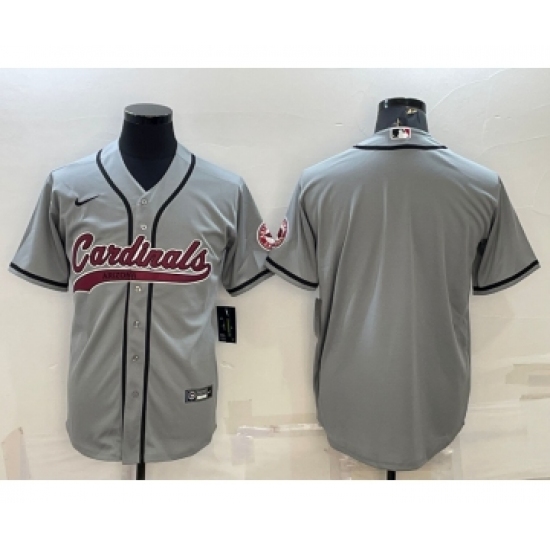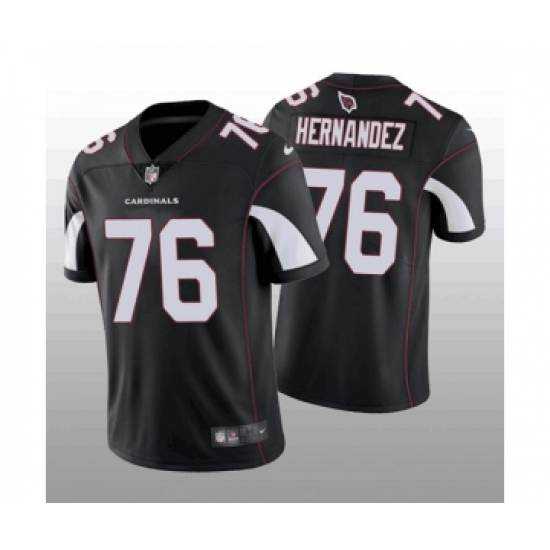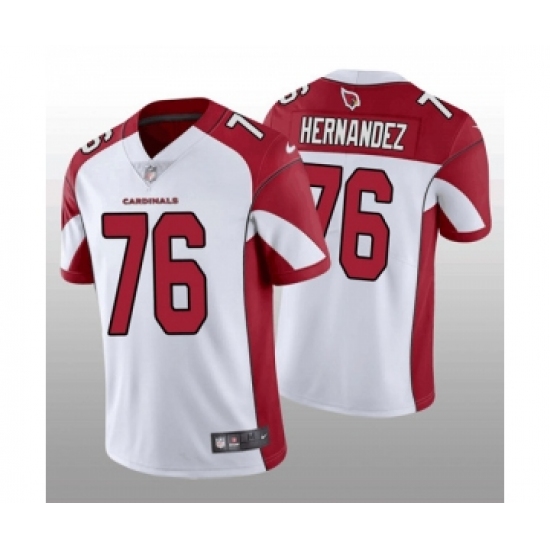
Ordering custom football jerseys for teams should not mean paying three markup layers before the fabric even leaves a warehouse. At Jerseys Wholesale Direct, the factory quotes the price and ships the goods, so resellers, league managers, and team buyers keep the margin that normally disappears into agent commissions. The complaints are always the same: slow quoting, vague size runs, heat-pressed numbers that peel after two washes, and nobody answering the phone when a 300-piece order shows up with the wrong sleeve trim. Direct sourcing fixes all of it — if you know what to inspect and what to put in writing.
The direct model is simple. You send the roster, the artwork, and the size breakdown. The factory cuts, sews, stitches, and packs. No trading company sits in the middle adding 15 to 30 percent for forwarding an email. That is the whole reason a stitched jersey can land at a wholesale number that still leaves 60 to 120 percent markup at retail.
Spec first, price second. Every NFL-style jersey we run starts with 100% breathable polyester mesh at 300 GSM heavyweight density. That weight matters. Lighter 180–220 GSM mesh drapes flat, shows every pull in the panel, and feels like a T-shirt. At 300 GSM the body holds structure, the shoulders sit square, and the jersey still moves air in August heat.
Numbers and letters are where cheap suppliers expose themselves. We run double-stitched Tackle Twill numbers — the twill appliqué is pre-cut, layered, and sewn down on all edges, never glued and never heat-pressed. Every stress point gets Z-stitch reinforcement at the shoulder seam, v-notch, and side vents, which is exactly where cheap jerseys tear first.
Inside matters as much as outside. Soft interior backing sits behind every stitched number so the embroidery thread never scratches a bare shoulder. Reinforced collar bands with ribbed knit stop the neckline from stretching out after the first game, and double-needle hem stitching keeps the tail from curling in the dryer.
Buyers ordering custom football jerseys for teams usually care about three variables: stitch count, color match, and whether reorder two will look like order one. All three are factory-controlled when you buy direct. All three are gambles when you buy from a broker.
Stitch density is the fastest quality test you can run. Take a stitched number and count the stitches along one inch of the border. Factory-grade production runs 8 to 10 stitches per inch. Under 6 per inch, the thread pops the first time a linebacker grabs a jersey.
Color consistency comes down to the fabric order, not the print file. Yarn-dyed mesh holds team colors true across a 500-piece run. Sublimated panels can drift a half shade between batches. If you resell to a fan base, ask which method your supplier uses and lock it in writing.
Sizing is the number one driver of returns. Our stitched jerseys run true to standard US retail sizing, measured flat from armpit to armpit.
- Youth S–XL: 15–19 in chest, roughly ages 6–14
- Adult S–3XL: 19–26 in chest, cut for a relaxed game-day fit
- Padded team fit: add 1.5–2 in chest measurement over shoulder pads
Order one sample before you commit a 300-piece roster to a size curve. A sample costs almost nothing against a four-figure mistake, and every serious league buyer runs this step.
Batch pricing is tiered, not negotiated by mood. Standard breaks land at 25, 50, 100, 250, and 500 units per style. The jump from 50 to 100 pieces usually carries the biggest per-unit drop, so if you can combine three colorways into one purchase order, do it.
MOQ is where real factories separate from trading companies. Custom minimums stay low enough that a single travel team or a new reseller can open an account without warehousing dead stock. Stock team styles ship with no design fee at all.
Production timelines are predictable once artwork is locked. Pre-production sample: 5–7 days. Bulk run: 12–18 days for heavyweight mesh with stitched twill. Air freight adds 5–8 days; sea freight adds 25–35 days. Build the schedule backward from your season opener, not forward from your purchase order date.
Inspect on arrival, not after complaints. Pull 10 percent of the carton and check four things:
- Stitch border on numbers — no loose thread tails or skipped passes
- Collar band — no rippling, twisting, or uneven ribbing
- Color match between body panels and sleeves under daylight
- Size tag versus actual measured chest width
Care instructions protect the value of anything you hold in inventory. Cold water, inside out, gentle cycle, no fabric softener, hang dry.
- Turn jerseys inside out before washing to protect stitched twill
- Wash cold — heat fades sublimated color and shrinks mesh
- Skip the dryer; hang dry in shade to avoid UV fade on sleeves
- Never iron directly over Tackle Twill — press the reverse side through a cloth
Reorder consistency is the real test of a factory partner. Keep a signed pre-production sample on file. When batch two arrives, compare it against that sample in daylight. Color drift, stitch count changes, and collar height shifts show up immediately.
Freight is a line item you can control. Consolidate multiple styles into one master carton, keep cartons under 50 lbs for easier handling, and confirm volumetric weight before approving air shipping. Oversized cartons bill on volume rather than weight, and that is where margins quietly disappear.
Payment terms and communication habits tell you a lot. A supplier who answers spec questions with measurements and photos is a supplier who will handle a claim properly. A supplier who answers with "yes, no problem" and nothing else will disappear when a carton lands short.
Put the important details in the purchase order: fabric weight, stitch count, collar construction, size curve, packing method, and inspection standard. Verbal promises do not survive a production floor running three shifts.
What is the difference between stitched and printed jerseys?
Stitched jerseys use sewn twill appliqués for numbers and letters, so the detail survives repeated wear and washing. Printed versions are lighter and cheaper, but graphics crack and fade faster — a problem when you resell to fans expecting retail-grade quality.
How many jerseys should I order on a first run?
Start with a 25 to 50 piece test order across two or three sizes to confirm sizing, color, and stitch quality. Once the sample passes, scale into the next pricing tier. This protects cash flow while still getting you close to the better per-unit rate.
Can I mix teams and colorways in one bulk order?
Most buyers do. Mixing rosters in a single purchase order is standard, and it typically pushes total quantity into a stronger price break without forcing you to overstock any one team.
Do you offer custom names, numbers, and patches?
Yes. Names, numbers, sleeve logos, patches, and custom fonts are all available. Send vector artwork or a clean reference photo and the factory returns a digital proof before cutting begins.
If you source for a league, a team store, or a reseller account, the fastest route is working with a supplier that controls the sewing floor. Browse the full NFL catalog at Jerseys Wholesale Direct, send your roster and size curve for a same-day quote, and lock in first-hand factory pricing with low minimums, tiered bulk discounts, and fast direct shipping from production line to your door.