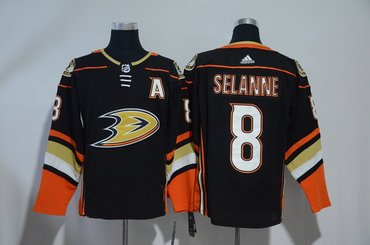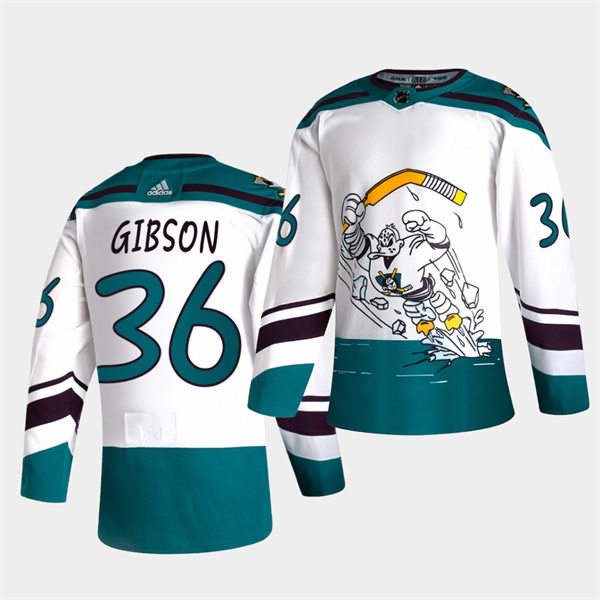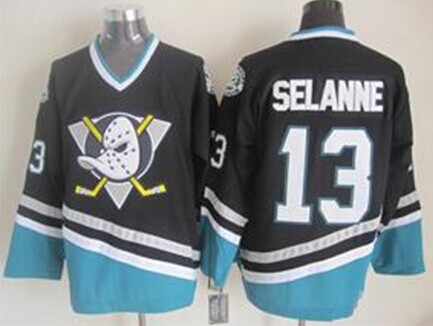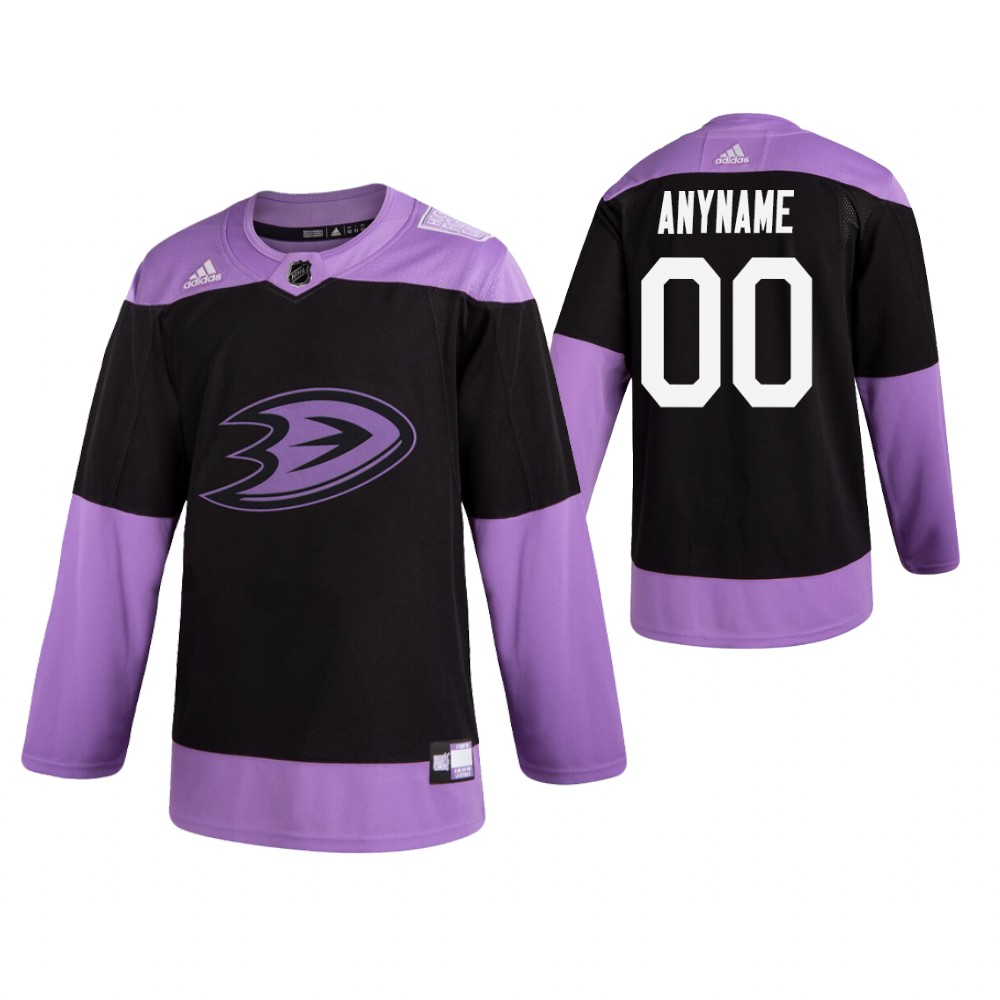
Bulk Toronto Maple Leafs jerseys cheap is not a fantasy price — it is what happens when the trading company disappears from the chain. Every layer between your purchase order and the sewing floor adds 15% to 30% to your unit cost and four to six weeks to your delivery date. That spread is your margin, and buying factory-direct puts it back where it belongs.
Most buyers who complain that "cheap" jerseys ruined their season are not complaining about price. They are complaining about 140 GSM polyester that turns see-through under arena lighting, numbers pressed on with vinyl that cracks after three washes, and crests stitched at four stitches per inch so the twill lifts at the corner. That kind of cheap costs you twice — once on the invoice, again in refunds and lost accounts.
Run the math on a 200-piece order. A domestic distributor quotes $34 per jersey. A trading company quotes $26 and takes 35 days. The factory that actually sews the goods quotes $17 to $19 with a 12 to 18 day production window. On 200 units, the difference between the middleman quote and the direct quote is $1,400 to $3,400 in gross profit — before you sell a single jersey at retail.
Direct factory supply does not mean a different, cheaper product. It means the same production line that runs a 5,000-piece league contract also runs your 200-piece order, using the same fabric roll, the same twill supplier, and the same quality checklist. You are not buying a downgraded version. You are buying the same build without the markup stacked on top of it.
Fabric is where the first real quality decision happens. A hockey jersey that will survive a season of beer-league play needs a 100% breathable polyester mesh body in the 260 to 300 GSM range, with a double-knit shoulder panel that holds its shape after washing. Ask for the GSM in writing. If a supplier cannot tell you the weight of their fabric, they are buying whatever was cheapest that month.
Stitching is the second decision, and it is the one buyers inspect first. Real quality means double-stitched Tackle Twill numbers — two layers of twill for the outline and the fill, cut cleanly and sewn down with 8 to 10 stitches per inch. The Leafs crest should sit flat with no puckering, and the sleeve numbers should line up symmetrically on both arms. Vinyl heat transfer is not a substitute, no matter how good it looks on a sample photo.
Look inside the jersey before you look at the front. A proper build carries a soft interior backing behind the crest and numbers so the embroidery thread never scratches skin — critical for youth sizes and for any program selling to schools. You should also see reinforced collar bands with a double row of stitching, plus Z-stitch bar tacks at the shoulder seams and side vents where tension concentrates.
Color accuracy separates professional suppliers from resellers of surplus stock. Toronto's blue is a specific shade, and a batch that leans navy or purple will sit in your warehouse. Request a Pantone reference on the purchase order and ask for a physical swatch or a photo under daylight before bulk production starts. Digital renders hide everything.
Sizing is the quiet profit killer in hockey. Jerseys run large by design to fit over pads, so a men's medium can measure like a casual large. Publish a chest-measurement chart in inches, not just S/M/L, and confirm the goalie cut dimensions separately if you sell to leagues. Youth sizing should map to age ranges plus chest circumference so parents can order without calling you.
Customization is where bulk orders get their value. Nameplates should be sewn, not glued. Captain's C and alternate A patches should be stitched through the twill and backed. If your buyers need roster names and numbers, confirm the font, the number height in inches, and whether the factory sews lettering directly or onto a plate — both are valid, but the pricing differs and the buyer should know which one they are getting.
For buyers who want to compare construction specs across programs, the bulk stitched NHL hockey jerseys catalog lays out fabric weight, stitch type, and size runs side by side. That kind of transparency is rare, and it is the fastest way to spot a supplier who is quoting mesh but shipping interlock.
Volume pricing should be published as a ladder, not negotiated in secret. A workable structure looks like this:
- 24–49 pieces: base factory rate, mixed sizes allowed
- 50–199 pieces: 8%–12% reduction, free name and number setup
- 200–499 pieces: 15%–20% reduction, custom neck label included
- 500+ pieces: contract pricing with locked fabric allocation
Sample approval is not optional at volume. Order one production sample, wash it three times on warm, and inspect it. Check for shrinkage beyond 3%, thread fraying at the hem, color bleed onto the white trim, and whether the twill edges have started to curl. A sample that fails at wash three will fail for your customer at wash five, and by then you own the return shipping.
Set a written inspection standard before the bulk run. A realistic AQL 2.5 sampling plan with a measurement tolerance of ±3/8 inch on chest and length catches most problems. Check stitch density on every sampled piece, verify the crest placement is centered within 1/4 inch, and confirm thread color matches the twill. Photograph the inspection and keep it on file — disputes get resolved fast when there is a paper trail.
Packing details matter more than buyers expect. Confirm poly bag dimensions, whether hangers are included, how many pieces go per carton, and the size ratio per carton. A carton packed 12/12/12 by size is easy to break down for retail; a carton packed randomly costs your warehouse two hours of sorting. Ask for the carton mark format for customs clearance in advance.
Shipping method drives your true landed cost. Air express at 5 to 7 days makes sense for restocks and sample runs. Sea freight at 25 to 35 days is the right call for 500-plus piece orders where the per-unit savings outweigh the wait. Confirm who handles duties and whether the quote is DDP or FOB before you sign — that single line changes your cost basis significantly.
Give your customers a care sheet and watch your returns drop. Cold water, inside out, mild detergent, no fabric softener, hang dry away from direct heat. Heat is what kills twill and shrinks mesh. A one-page insert costs pennies and prevents the "it faded after one wash" complaint that no supplier can win.
Watch for the four signals of a weak supplier: vinyl numbers described as "embroidered," no GSM figure on the spec sheet, no physical sample policy, and a price that beats everyone by 40% with no explanation. Any one of those is a warning. Two or more means walk away.
What does a stitched NHL jersey actually mean? It means the crest and numbers are cut from twill and sewn to the garment, not printed or heat-pressed. Stitched builds hold up to repeated washing and hold resale value far better than vinyl.
Do hockey jerseys fit true to size? No. They are cut to layer over pads, so most buyers should size down one for casual wear. Always sell with a chest measurement chart in inches.
How do I wash a hockey jersey without fading? Cold water, inside out, mild detergent, no dryer. Hang dry in shade. Skip fabric softener entirely — it coats the mesh and dulls the trim.
What is a reasonable minimum order? Many direct factories start at 24 to 50 pieces per design with mixed sizes. Anything above that should unlock a better rate, free name and number setup, or both.
If your goal is to stock real stitched construction at a price that leaves room for retail margin, start with the full Jerseys Wholesale Direct catalog and compare specs line by line.
Ready to buy? Head to www.jerseyswholesaledirect.com to browse the complete direct-supply NHL catalog, with factory-first pricing, low MOQ entry points, published volume tiers, and fast bulk dispatch straight from the production floor. No trading company, no distributor margin, no six-week wait for a restock. Request a quote, approve a sample, and let the factory ship.